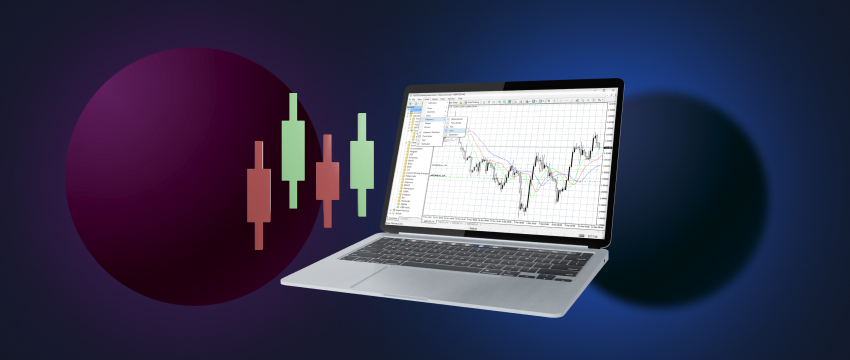
Trading Contracts for Difference (CFDs) offers a flexible way to speculate on financial markets without owning the underlying asset. However, navigating the complexities of cfd trading can be challenging, especially for those new to the markets. By focusing on a clear strategy and utilizing the right tools, you can simplify your approach and make more informed decisions. This guide breaks down how to streamline your CFD trading journey.
How can I simplify my CFD trading strategy?
A straightforward trading strategy is often the most effective. Instead of overcomplicating your approach with dozens of indicators, focus on a few key principles.
Start by identifying the market trend. Are prices generally moving up, down, or sideways? Using simple tools like moving averages can help you determine the overall direction. Once you have a sense of the trend, you can look for entry and exit points. A basic strategy might involve buying when the price crosses above a key moving average and selling when it drops below it.
Risk management is another critical component. Always use stop-loss orders to protect your capital from significant losses. A simple rule is to never risk more than 1-2% of your trading account on a single trade. This disciplined approach helps you stay in the game even if you experience a series of losing trades.
What are the essential tools for a CFD trader?
To trade effectively, you need a reliable set of tools. A powerful and user-friendly trading platform is the most important. Look for a platform that offers:
Real-Time Data: Access to up-to-the-minute price charts and market news is essential for making timely decisions.
Advanced Charting Tools: The ability to add technical indicators, draw trend lines, and analyze price patterns is crucial for any trader.
Intuitive Interface: A clean, easy-to-navigate platform reduces the chance of making costly errors. The best trading platforms are designed to be accessible for both beginners and experienced traders.
Beyond the platform, a good economic calendar helps you stay aware of upcoming events that could impact the markets, such as interest rate announcements or employment reports.
How do I choose the right broker?
Selecting the right broker is fundamental to a successful trading journey. Your broker should be regulated by a reputable financial authority, ensuring your funds are secure.
Consider the trading costs, including spreads and commissions. Tight spreads mean you keep more of your profits. Also, check the range of markets offered. A good broker provides access to a wide variety of CFDs, including forex, indices, commodities, and stocks.
Finally, look for a broker that provides excellent customer support and educational resources. Having access to expert guidance and learning materials can significantly simplify the learning curve and help you build confidence as you trade. By focusing on these core elements, you can create a more streamlined and effective CFD trading experience.